
When most people think of Seasonal Affective Disorder (SAD), they picture gray skies, early sunsets, and the long, dark months of winter. In fact, that’s how Seasonal Affective Disorder was first recognized: in 1987, the Diagnostic and Statistical Manual of Mental Disorders (DSM) officially added a specifier for depression tied to seasonal changes—largely based on research in northern climates where winter’s lack of sunlight triggered recurring depressive episodes.
But what if you don’t feel low in the winter… but in the summer?
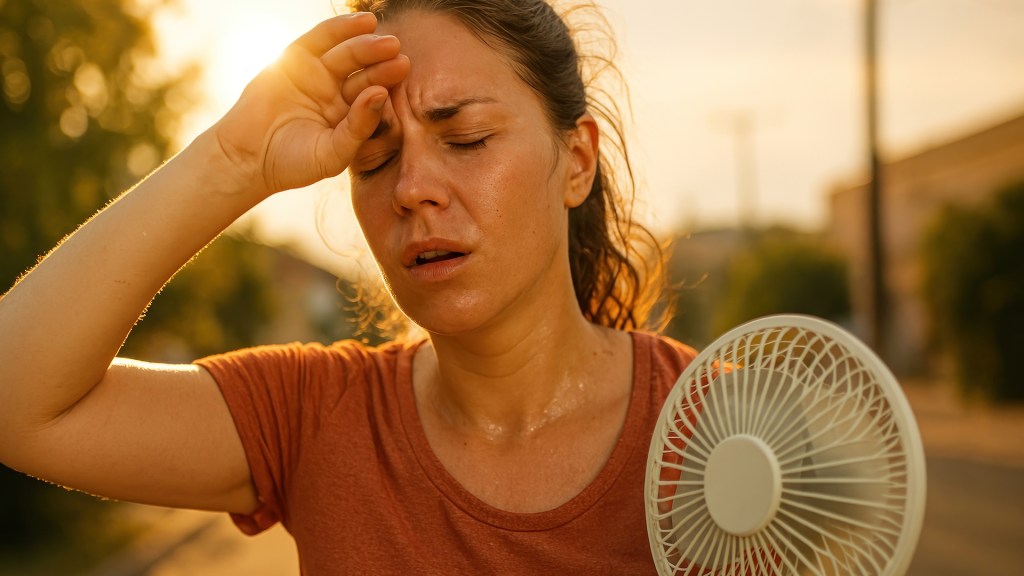
Yes, summer SAD is real—and for people who live in hot climates like Texas, the long, sweltering months can take a serious toll on mental health.
A Closer Look at Seasonal Affective Disorder: Sam’s Story
Sam hadn’t even gotten out of bed, and she already felt defeated. Her phone buzzed with messages from her college friends trying to lure her out of her apartment—what she privately called her Den of Doom. It was the last weekend of summer break, and instead of feeling excited, she felt heavy, unmotivated, and ashamed of how little she wanted to do anything.
“I hate feeling like this,” she thought. “I should be out enjoying myself—but the heat makes me want to crawl into a cold bathtub and binge-watch old TV shows while stuffing my mouth with junk food.” Sam hadn’t left her apartment for a week.
It wasn’t the first time Sam felt this way. Last summer had been just as rough, and by September, her depression had tanked her grades. She had pulled away from friends, skipped classes, and fallen behind. Now, it was happening again.
That Saturday, her friends surprised her by showing up and dragging her out for a swim. One of them confided that she’d been through something similar—and that therapy had helped. Later that day, Sam made an appointment. It was the first step in turning things around.
Understanding Summer Seasonal Affective Disorder
While it is still under-recognized and under-researched, Summer-Pattern Seasonal Affective Disorder (SAD) affects thousands of people—particularly those in regions with extreme heat and long daylight hours, like Texas. Unlike winter SAD, which is linked to lack of sunlight and cold isolation, summer SAD is often triggered by excessive heat, disrupted routines, over-stimulation from long days, and even body image stress or social pressure.
A 1987 study by researchers Norman Rosenthal and Thomas Wehr, published in the American Journal of Psychiatry, described patients who regularly became depressed in the summer. While fewer in number, their symptoms were just as disruptive—and potentially tied to heat exposure and circadian rhythm disruption.
Though national estimates suggest about 0.5% of the U.S. population experiences summer-pattern SAD, some experts believe this number is higher in hot-climate states like Texas, especially during heatwaves. Still, awareness remains low, leaving many to silently struggle and wonder what’s “wrong” with them.
7 Signs You Could You Be Affected by Summer Seasonal Affective Disorder
If you notice a pattern of depression that begins each summer, you might be experiencing Summer SAD. Some common symptoms include:
- Persistent low mood or irritability
- Loss of interest in activities you once enjoyed
- Changes in sleep patterns (oversleeping or insomnia)
- Fatigue, even after a full night’s rest
- Social withdrawal
- Overeating or loss of appetite
- Feelings of hopelessness or worthlessness
7 Things You Can Do About Summer Seasonal Affective Disorder
Summer SAD can be difficult – but you are not powerless! Following are some practical steps to help:
Get outside early in the day.
Take 10–15 minutes to sit in the morning sun while it’s still cool. Listen to the birds, breathe deeply, and stay present. This gentle sunlight exposure helps regulate your circadian rhythm and boosts vitamin D.
Use cold-water stimulation
Splash your face with cold water or take a dip in a pool. Cold exposure can stimulate dopamine release, which helps elevate your mood naturally.
Stay socially connected.
Whether it’s a morning coffee meet-up or a Zoom hangout, make time for connection. Social support is one of the best antidotes to depression.
Keep a gratitude and intention journal.
Each morning, jot down:
- 3 things you are grateful for
- 3 small goals for the day
- 1 empowering “I am” statement
In the evening, reflect on 3 positive things that happened, no matter how small.
Stick to a consistent sleep schedule.
Going to bed and waking up at the same time each day helps regulate mood and energy.
Stay hydrated and eat well.
Heat can dehydrate you quickly, which affects mood and focus. Drink plenty of water, avoid alcohol and limit caffeine, and nourish your body with cooling, nutrient-dense foods. (I start each morning by drinking a cool glass of water with a hearty squeeze of lemon. It’s great for your skin health too.)
Seek professional support.
If your symptoms are affecting your ability to function or enjoy life, reach out to a licensed therapist. Therapy can provide tools, perspective, and emotional support to help you feel better.
Be empowered to make a difference in your life.
You Deserve to Feel Better—All Year Long
Everyone feels down from time to time. But if your low mood becomes a pattern—or starts interfering with your relationships, responsibilities, or sense of self—it’s time to take it seriously.
Summer SAD is real. It’s valid. And it’s treatable.
Whether you’re like Sam or just starting to notice some patterns, you don’t have to wait until the seasons change to start feeling better. Help is available—and you don’t have to go through it alone.
 Gogi Hale, Licensed Professional Counselor Associate